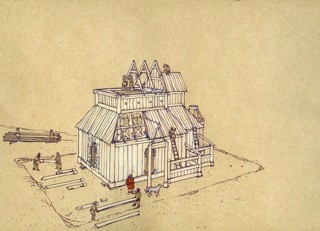
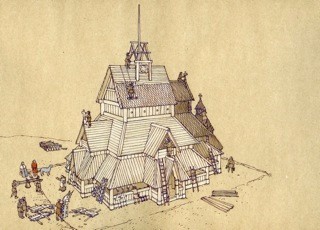
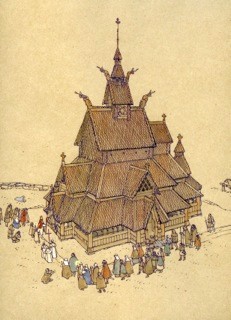
How Stave Churches Were Built
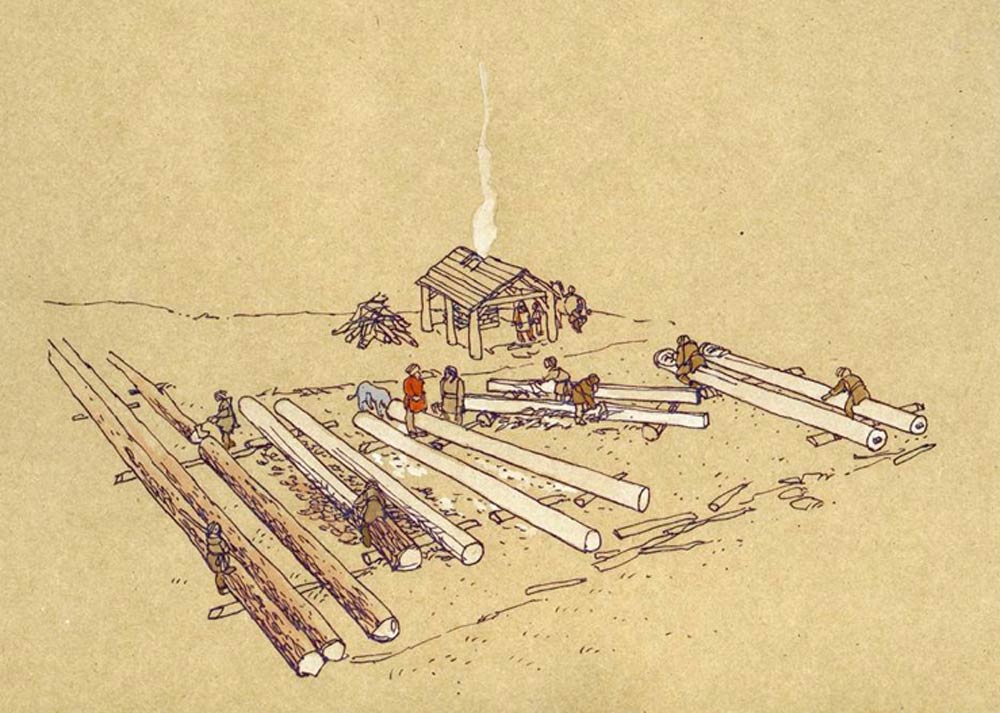
Stave churches were likely constructed by highly skilled groups of craftsmen who specialized in working with wood. These artisans understood both the possibilities and limitations of timber, shaping structural elements using a small set of simple tools.
Through a balance of tradition and innovation, they created buildings unlike anything seen before. Their design and construction methods allowed these churches to withstand harsh weather conditions for centuries. Borgund Stave Church, for example, was consecrated over 800 years ago. Its age has been determined through dendrochronology, the study of tree growth rings.
The Stave Wall Structure
A defining feature of stave churches is their wall construction. If this structure is present, whether visible or hidden, the building can be identified as a stave church.
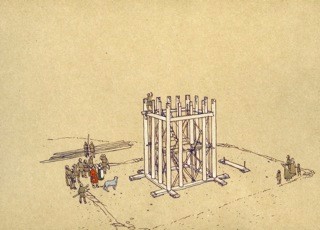
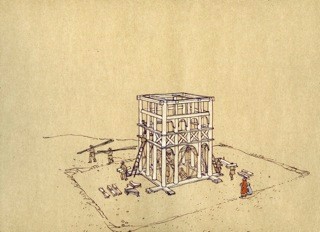
The load-bearing vertical posts, known as staves, give the stave church its name. These posts are anchored into a wooden frame resting on foundation stones, lifting the structure off the ground.
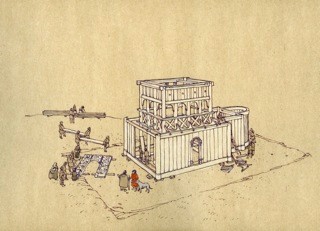
Wall planks are fitted into grooves in both the lower sill and the upper beam, forming a stable and flexible construction that has proven remarkably durable over time.
Materials and Timber
Stave churches were built using heart pine, a dense and resin-rich wood known for its durability. The trees used had tight growth rings and came from old-growth forests, which were far more abundant in medieval times than they are today.
This combination of material quality and craftsmanship is a key reason why these structures have survived for so long.
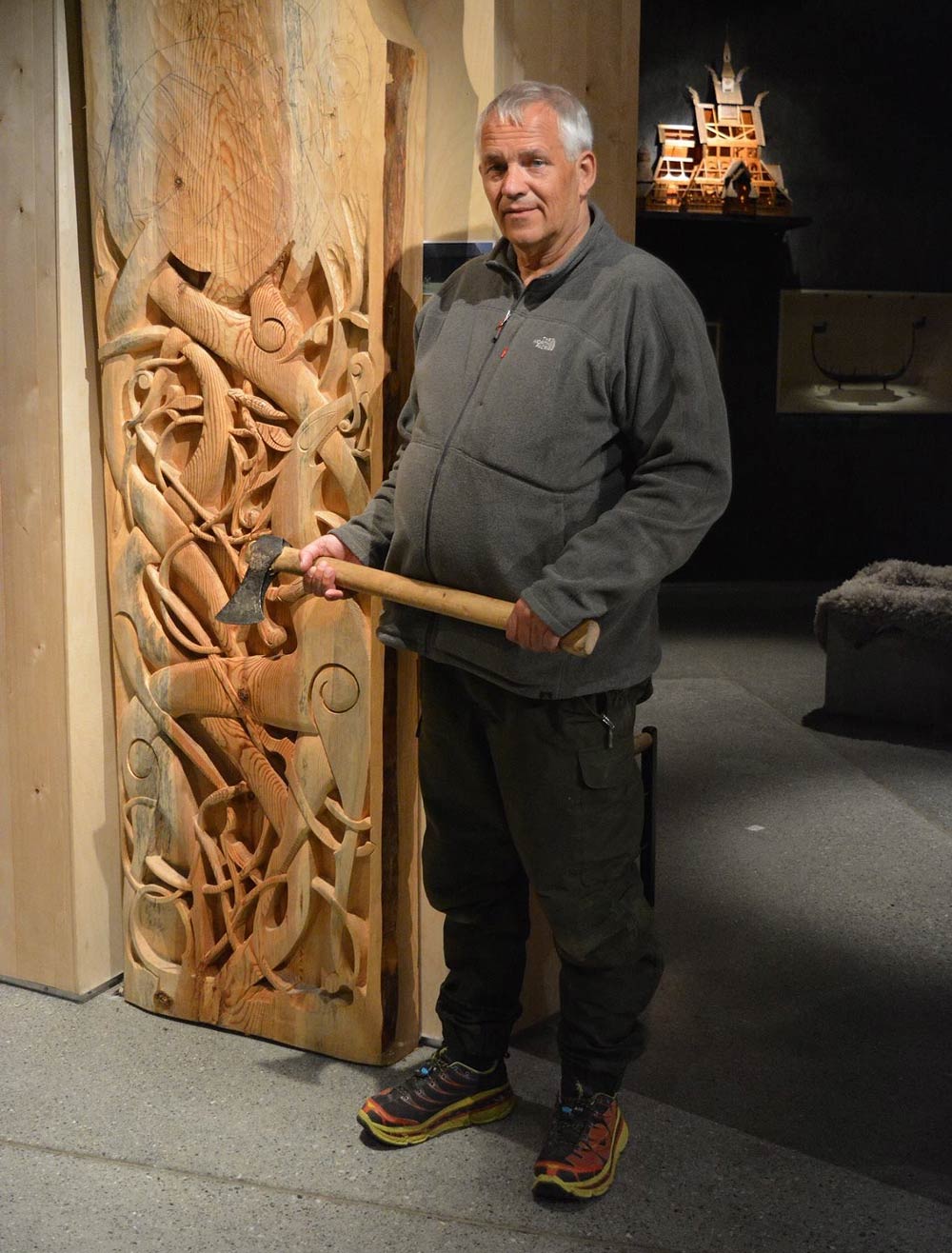
Tools of the Craft
Despite the complexity of the structures, the tools used were simple:
Axe, used for felling trees and shaping timber
Draw knife, used to smooth surfaces and work detailed areas
Auger, used to drill holes for wooden pins
Chisel, used for carving and fine adjustments
These tools allowed craftsmen to create precise joints and strong connections without the use of metal fasteners.
A Craft That Endured
What makes stave churches remarkable is not just how they were built, but how long they have endured. Using simple tools and deep knowledge of wood, medieval craftsmen created structures that have survived for centuries in some of Europe’s harshest climates.
These buildings are not only places of worship. They are a testament to precision, material understanding, and a building tradition that balanced function with artistry. Each surviving stave church carries the marks of those who built it, and of the generations who maintained it.
In a time before modern engineering, they achieved something lasting. That is why they still stand.